 Pet Toy Spot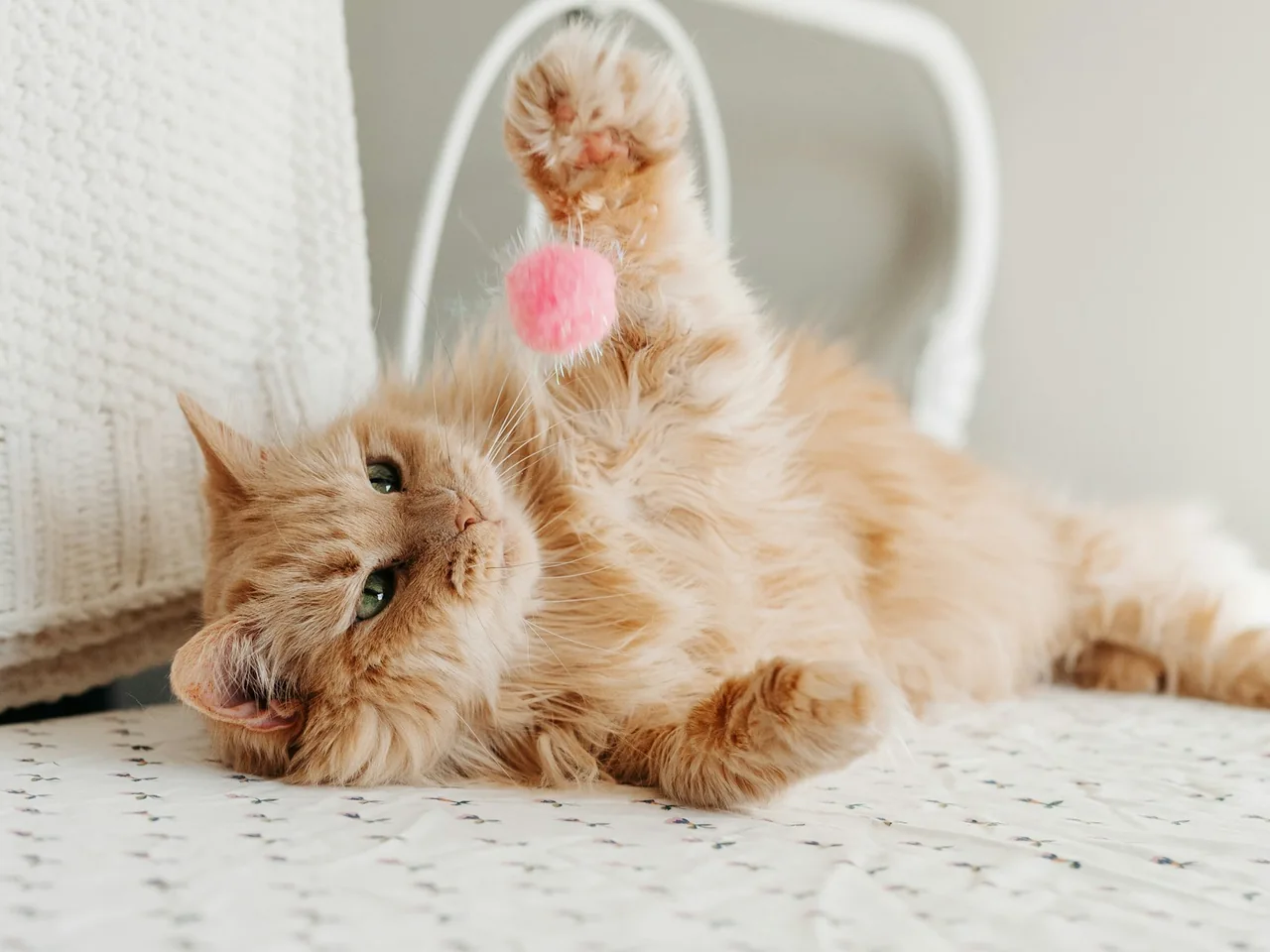
Context photograph.
Care & condition Both
Keep toy care instructions with the collection
Clean according to the actual product, and distinguish cleaning from inspection.
Find the instructions before choosing a method
Different toys and components can require different care. Read the directions for the exact product rather than assuming a general household cleaning method is appropriate. If you cannot identify the item or its instructions, record that uncertainty before returning it to use.
This article does not provide disinfectant recipes, temperatures or material treatment instructions. Its purpose is a care system that keeps the manufacturer's directions findable and prevents an unfinished job from being mistaken for a completed one.
Create a maintenance note
- Record the product name or other clear identifier.
- Keep the relevant care instructions in your private household records.
- Note parts that need separate attention under those instructions.
- Distinguish waiting for cleaning, drying or inspection from ready to use.
- Check the item again before returning it to the ready collection.
Do not confuse clean with intact
An item can look clean and still have damage or loose parts. Include a condition check rather than treating washing as a safety approval. Food puzzles also need attention to the areas the product instructions identify; if the design is impractical to maintain, reconsider whether it belongs in the routine.
Keep pets away from items during maintenance and store cleaning products appropriately. Do not improvise a treatment because another toy tolerated it. Product-specific directions are the evidence relevant to the item you own.
Close the loop in storage
Return only ready items to the ready category. Keep a note for anything that still needs action and make the next step clear to a helper. If an item is removed permanently, update the rotation board so it is not accidentally offered again.
This system supports ordinary maintenance. It makes no claim about sterilisation, material lifespan or the safety of a particular cleaning product. Use the supplied instructions and appropriate individual advice when the situation goes beyond routine care.
Sources & practical application
These principles inform the guide. Household worksheets, examples and sequencing are our editorial application, not reported experiments or endorsements by the source organisations.
Source principle: Match toys to play style and size, inspect for loose parts, keep play reachable, and avoid excessive repetitive fetch.
Source principle: Simple food puzzles can provide foraging opportunities; begin with an accessible task.
Checked October 16, 2026. How we prepare guides · Report a correction.