 Pet Toy Spot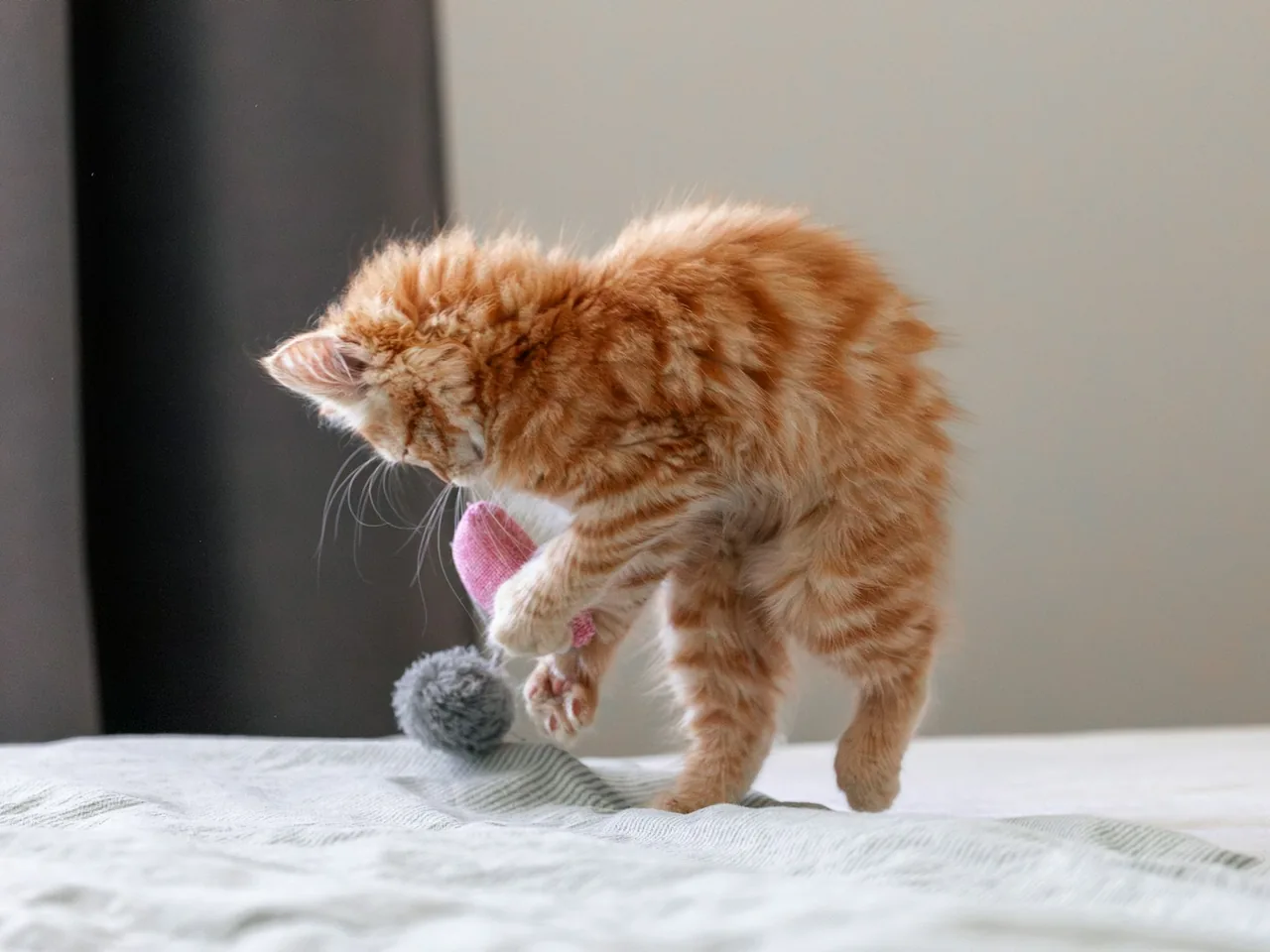
Context photograph.
Cat toys Cats
Give cat wand and string toys a storage routine
The end of supervised play should include putting the equipment away.
Plan storage before the first session
Choose a secure location that the cat cannot access between games. The exact storage depends on the product and home, but it should keep string, attachments and the wand contained according to the instructions. A toy left dangling from a shelf has not been put away simply because a person stopped holding it.
Cats Protection specifically advises storing string toys after supervised play. Treat the storage step as part of the game rather than an occasional cupboard tidy.
Make the handover clear
- Inspect the toy before use and prepare a clear play area.
- Let the cat have a reachable catch during the session.
- Bring the game to a manageable end without following the cat into a retreat.
- Put the complete toy into its designated secure storage.
- Tell other household members where it belongs and why it should not be left out.
Keep supervised and independent items distinct
A helper should not need to know the history of every toy to identify which ones require a person present. Label the storage category in plain words. Do not rely on colour or a private code, and do not add loose labels to the toys.
Check that cupboard doors and containers remain secure in ordinary use. A storage plan that works only while everyone remembers to hold a door closed is not dependable. Follow the actual storage and care instructions for the item.
Observe play separately from storage
A popular toy still needs to be put away. A toy the cat ignored still needs inspection before being offered again. Preference and supervision are different decisions, and the rotation board gives them separate fields.
If any part becomes damaged or detached, remove the toy from use and follow the appropriate product guidance. This article is a storage routine, not a guide to repairing string, attaching replacement pieces or assessing an ingestion concern.
Sources & practical application
These principles inform the guide. Household worksheets, examples and sequencing are our editorial application, not reported experiments or endorsements by the source organisations.
Source principle: Use toys rather than fingers, allow catches, rotate options, and store string toys after supervised use.
Source principle: Prepare separate essentials, a hiding place and sturdy scratching facilities. Provide additional resources for multiple cats.
Checked October 16, 2026. How we prepare guides · Report a correction.